 Vancouver Island Master Gardeners
by Whitney Peek, CMG
As pollinator and native plant gardens continue to increase in popularity, so has interest within the horticultural industry to develop showy cultivars of these natives for our gardens. Many of these ‘nativars,’ as they are sometimes called, are sold as ‘natives’ in nurseries, but do they offer the same benefits?
Researchers at Oregon State University have recently completed a years-long study of the differences between several Pacific Northwest native plants and their associated popular nativars. The study findings are published in 2 parts, and are open access for all to read. The following is a summary of part one of the study findings.
This study focuses on a small set of native flowering plants you are likely familiar with:
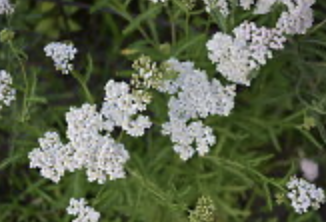
Achillea millefolium (Yarrow)
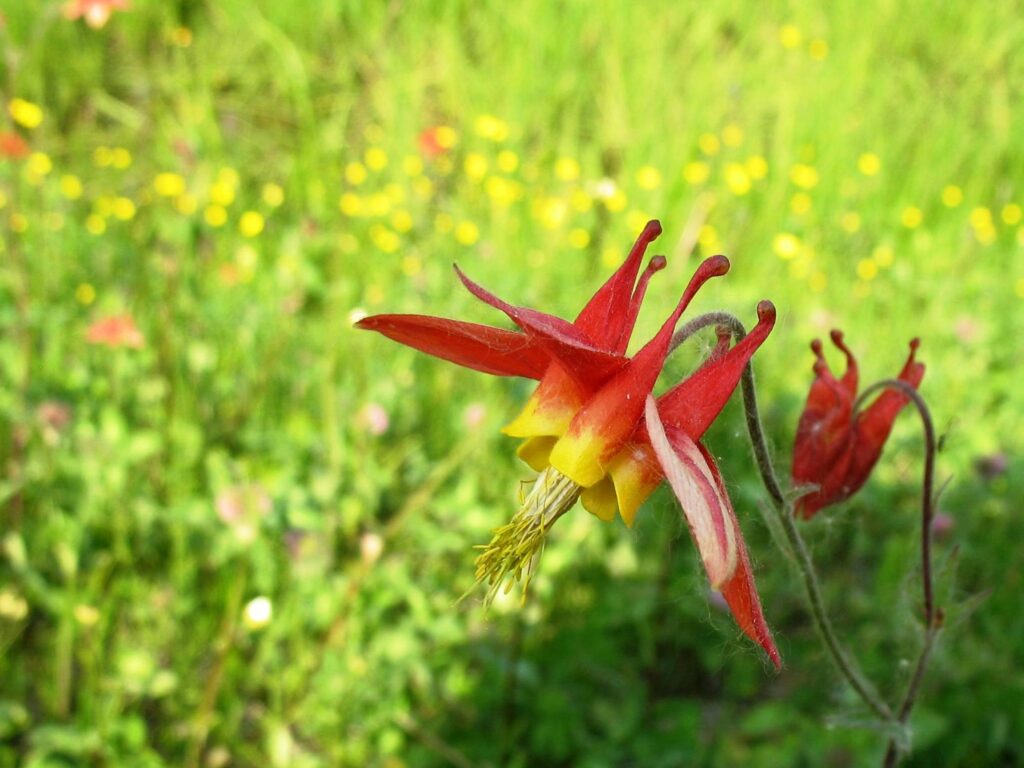
Aquilegia formosa (Red Columbine)
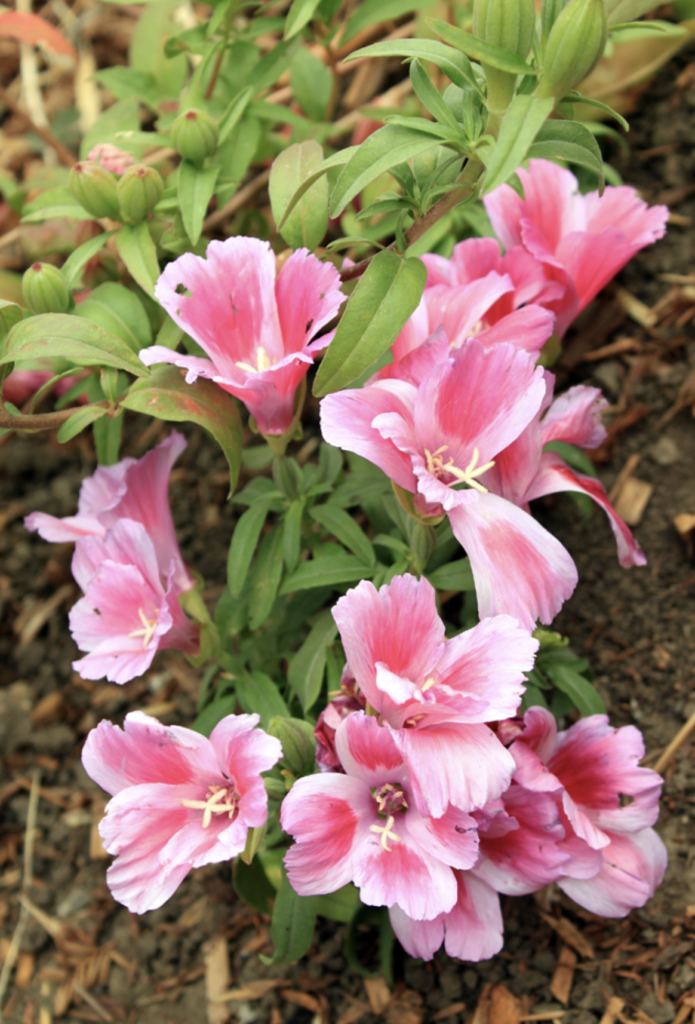
Clarkia amoena (Farewell-to-Spring)
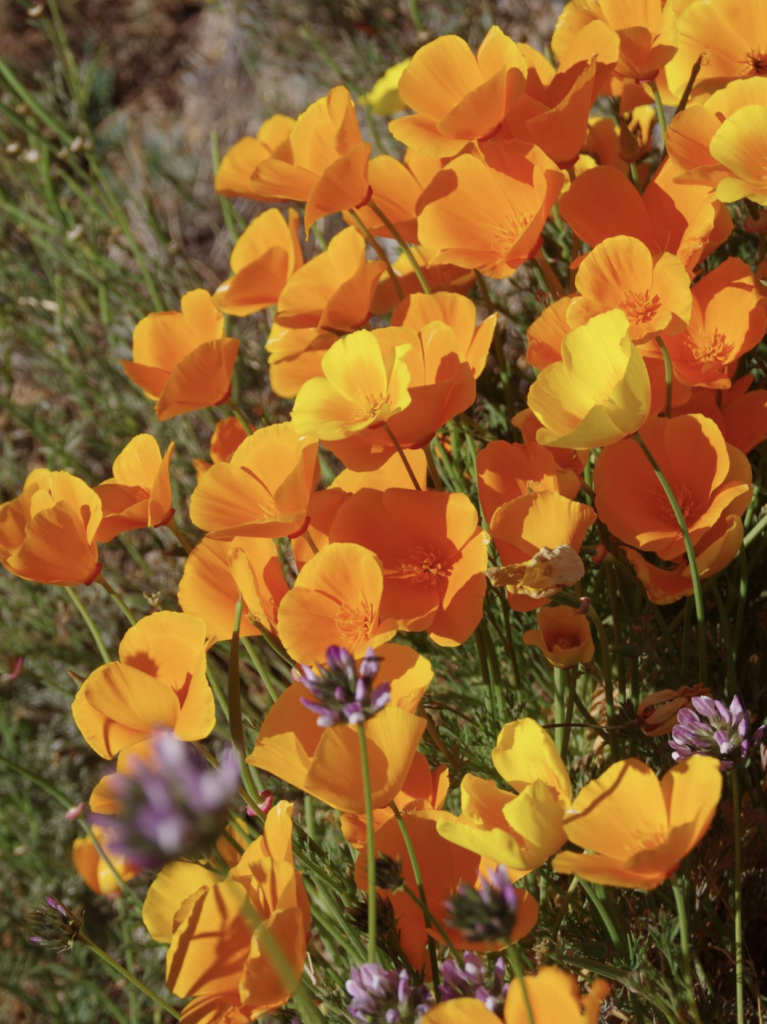
Eschscholzia californica (California Poppy,
not native to Vancouver Island)
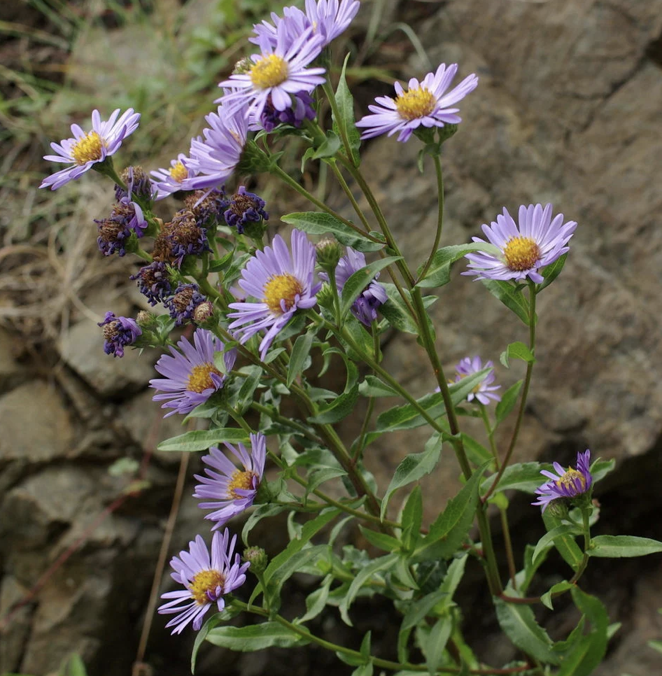
Symphyotrichum subspicatum (Douglas Aster)
Have you noticed the differences in your garden between bees’ interest in cultivated versus native versions of certain plants like I have? Part one of the study examines the differences in flower visitation by pollinators to native plants and to the associated nativars over several years of observations.
The findings concluded that for all studied plants, pollinator visits were greater to the native species over nativars. The number of different pollinator species (species richness) observed was also higher on native plants.
Additionally, specialist bees (bees that have evolved along with certain native plants and prefer them as pollen sources) were observed in greater numbers on native plants over their cultivars. Specialist bees are thought to be more sensitive to changes in plant traits (such as those found in cultivars) which could be an indicator that nativars have less ecological value in a pollinator garden setting.
It’s worth noting that there is value in having non-native plants in pollinator gardens. Although it’s recommended to strive for a composition of 70% of native plants, non-native plants can serve important roles in a pollinator garden, such as for extending flowering times in your garden throughout the year. Having a succession of flowering plants, and several different ones flowering at once from early spring to late fall, provides maximum benefit to a diversity of pollinators throughout the growing season.
The study brings up another potential benefit of non-natives: having a section of your garden devoted to non-native pollinator plants satisfies “generalist” bees (bees that are fine with a wide array of pollen sources) such as honeybees. This matters because honeybees (an introduced species) tend to outcompete native bees for pollen resources. The researchers theorized that giving honeybees their own area of favourite plants could give native bees space to utilize their preferred native flower sources. Pollinator/plant interactions such as these are helpful to know about when considering which plants to include in pollinator gardens and where to place them for optimal benefits.
Overall, part one of this study reconfirms several previous studies’ findings about the value of native plants, but since it focuses specifically on Pacific Northwest plants, it is more valuable locally. This study also gives more detailed information about native bees and their interactions with these plants than what has been previously known.
In a future newsletter, I will review part two of this study, which uses flower visitation data from part one and dives deeper to find out what it is about those particular flowers that make them more or less attractive to pollinators.
Part one of this study: https://doi.org/10.1093/ee/nvae126
A short article about why saving native bees is important: ttps://botanicalgarden.ubc.ca/importance-of-native-bee-diversity-how-to-help-save-the-right-bees/
Read a study about how introduced honeybees compete with native bees: https://doi.org/10.1073/pnas.1809259115
Read about why ecologists recommend 70% native plant composition in gardens, especially to help birds: https://doi.org/10.1073/pnas.1809259115