 Vancouver Island Master Gardeners
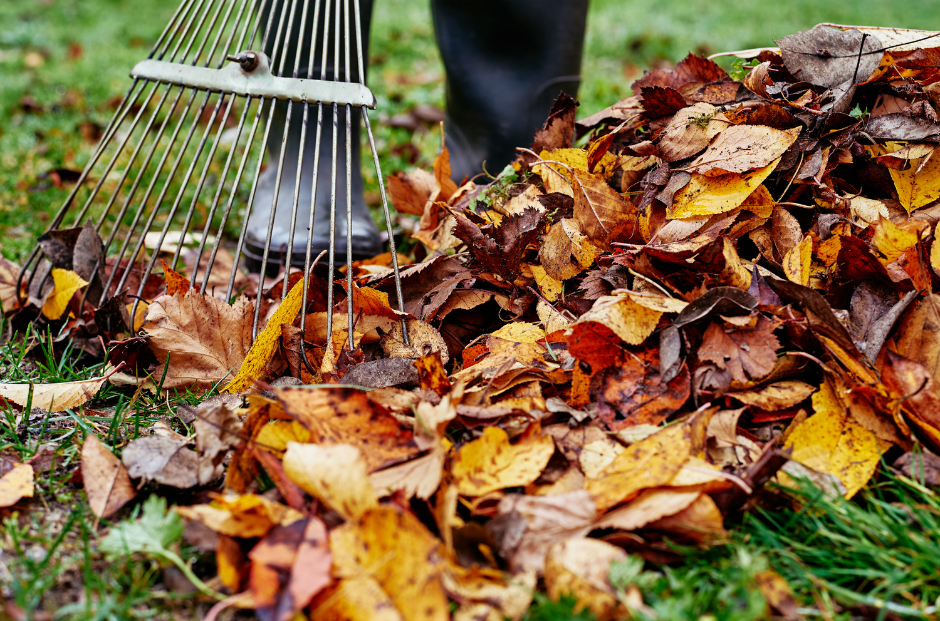
What is Mulch?
Mulch is a protective layer of organic or inorganic material spread over the soil. Choosing the right type of mulch for your particular landscape will depend on various factors (see the table below). The answer to which type of mulch to use is: it depends!
Properties of Ideal Mulch
Ideal mulches have the following properties in common. An ideal mulch will:
- protect the soil from compaction and/or erosion.
- improve soil moisture retention.
- moderate soil temperature (cooler in summer/warmer in winter).
- suppress weeds.
- increase soil nutrient and organic matter through decomposition.
- allow air and water movement at the soil surface.
DID YOU KNOW? The earliest written record of mulch as an agricultural technique is from China, around 500 BC.
Pros and Cons of Various Types of Mulch
Below is a simple table that outlines the types of mulch available to the home gardener along with the benefits and drawbacks of each. Choose the mulch that best suits your needs, landscape aesthetic and has a net benefit to your immediate and surrounding ecosystem.
| Type | Pros | Cons |
| Arborist Wood Chips (wood, leaves, bark) 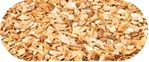 | – Most closely mimics what happens in nature – Properties of ideal mulch – Lasts 4-6 years (dependent on conditions) | – Sourcing can be difficult -Aesthetically neat, but non-traditional colour – May be costly – Dry arborist wood chips are not FireSmart |
| Wood Chips (mix of bark and wood) 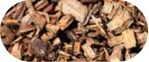 | – Transitional properties between arborist wood chips & bark chips – Variation in size and composition – Lasts 2-3 years (depending on conditions) -Aesthetically neat – Not hydrophobic | – Varied suppliers & availability – Does not include fresh wood/leaves/needles so it contains fewer nutrients than arborist wood chips – Dry wood chips are not FireSmart |
| Bark Chips (tree bark) 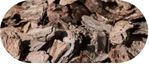 | – Aesthetically neat – Traditional in size & color – Reduces evaporation to maintain soil moisture – Moderates soil temperature – Suppresses weeds – Lasts 3-5 years (depending on conditions) | – Poor source of nutrients – Naturally hydrophobic, repelling water particularly if allowed to dry out – Can be contaminated with salt or weed seeds – May be costly – Not FireSmart |
| Deciduous Leaves (fallen tree leaves)  | – Attributes of ideal mulch – Free | – Seasonal availability (collect & store) – Leaves decompose rapidly during the growing season, need to top up often – Aesthetically messy and non-traditional shape/colour – Moderately FireSmart |
| Sawdust (fine wood shavings) 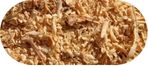 | – Protects the soil surface from compaction – Adds to the soil organic matter over time | – High carbon/low nutrient content – Compacts over time creating a barrier that impedes water and gas movement – Aesthetically neat, but non-traditional colour/shape – May be costly – Not FireSmart |
| Straw (seed-free) (dry stalks of cereal plants) 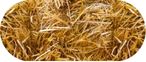 | – All the attributes of ideal mulch provided 10-15 cm layer and is maintained | – Decomposes quickly/ top up often – May contain weed seeds unless certified seed-free – Aesthetically neat, but non-traditional colour/shape – May be costly – Dried straw is not FireSmart |
Grass clippings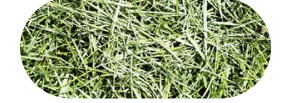 | – Excellent source of nitrogen and other nutrients – Promotes water retention and air exchange – Free | – Layers deeper than 5 cm will pack down, inhibiting air and water flow to the soil – Can build up heat which can damage tender plants – Layers less than 5 cm will not suppress weeds or moderate soil temperatures – Decomposes quickly – needs to be topped up often – Aesthetically neat, but non-traditional colour/shape – Cured, dried grass is not FireSmart |
| Rocks (ideal for paths, borders & decoration) 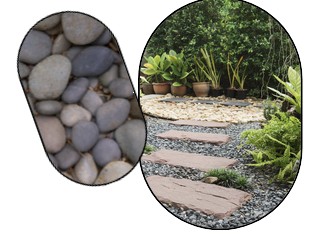 | – Reduces evaporation from soil surface – Allows some air/water infiltration – Does not need to be replaced – Aesthetically neat – FireSmart | – Large areas covered in rocks absorb and retain heat during summer months increasing the local air temperature (radiant heat) and surface soil temperature – Decreases the natural cycling of soil nutrients and organic matter over the long-term which impacts the health of the soil biome – Difficult to keep weed-free (even with landscape fabric) – Expensive |
Cardboard or Newspaper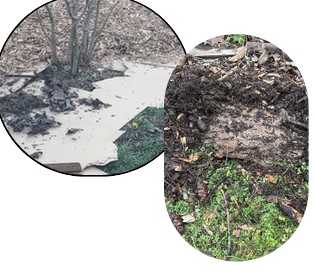 | – Free and readily available – Moderately suppresses weeds | – When too wet or dry, water and air movement is impeded which negatively impacts the soil microbiome and plant growth – Becomes hydrophobic when dried out, resulting in water runoff – During decomposition, PFAs (forever chemicals) leach into the soil and groundwater – Readily blows away when not covered with soil, rock, or mulch – Potential pest havens, e.g., voles, termites – Aesthetically unusual when exposed |
Landscape Fabric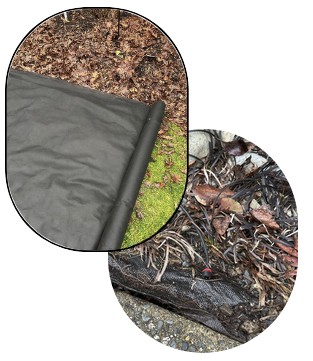 | – Temporarily prevents weeds – Air and water pass through initially | – Non-permanent: degrades into microplastics over time, more quickly in sunlight – Needs replacement every 4-5 years depending on conditions – Difficult to replace when covered by mulch – Over time weeds grow through fabric – Fabric pores clog over time, restricting air and water movement – Can heat up quickly if exposed, increasing soil temperature – Some cost – Aesthetics depends on mulch applied to the fabric – FireSmart- depends on material covering the fabric |
Related Information
Resources
1. Gilkeson, L. (2018). Backyard Bounty (2nd ed). Gabriola Island, B.C.: New Society Publishers. ISBN: 9780865718418
2. Chalker-Scott, L. Horticultural Myths. Washington State University Extension
3. Talerico, D. (2020). Pros & Cons of 8 Types of Garden Mulches. Homestead & Chill
4. BC FireSmart. (2024). Landscaping Best Practices…On this page 05 Mulches. FireSmart BC Landscaping Hub
Photo Credits
CANVA & VIMGA members 2025 Vancouver Island Master Gardeners Association
Vancouver Island Master Gardeners
Vancouver Island Master Gardeners are local volunteers who educate the gardening public with current, science-based and environmentally responsible horticultural information. As a chapter of the Master Gardeners Association of BC (MGABC), our program and priorities shape healthy communities and a healthy planet.